Concrete Slabs & Flatwork
Level, durable concrete surfaces for garages, sheds, workshops, and more.
What is Concrete Flatwork?
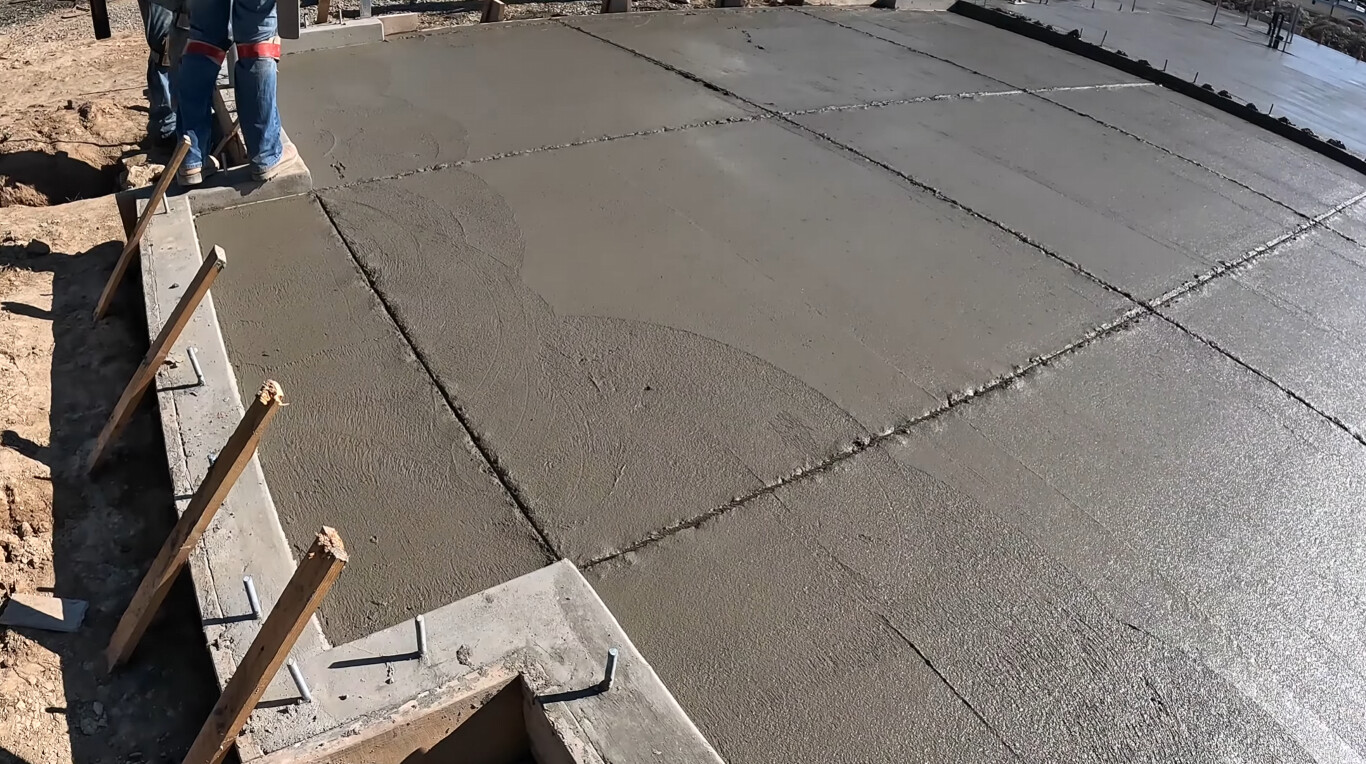
Flatwork is any horizontal concrete surface. This includes garage floors, shed slabs, workshop pads, equipment pads, basement floors, and any other flat concrete area. It is called flatwork because the concrete is placed level and finished smooth or with a simple texture.
Unlike driveways or patios that require specific slope for drainage, most flatwork is installed as level as possible. The concrete needs to support weight without cracking, drain properly, and provide a stable surface for whatever you plan to put on it.
Common Flatwork Applications
We handle all types of concrete flatwork projects for residential and commercial properties in Pacifica:
- •Garage floors: New construction or replacement floors for attached or detached garages
- •Shed and workshop slabs: Level pads for storage buildings, workshops, and hobby spaces
- •Equipment pads: Heavy-duty slabs for HVAC units, generators, hot tubs, and pool equipment
- •RV and boat storage pads: Extra-thick slabs designed for heavy vehicle storage
- •Basement floors: Moisture-resistant slabs for basements and crawl spaces
- •Commercial slabs: Interior and exterior slabs for businesses
Each application has different requirements for thickness, reinforcement, and finish. We engineer every slab based on how you plan to use it. A shed slab does not need the same specs as a garage floor that will hold two cars and a workbench full of tools. That is why it pays to work with experienced concrete pad contractors who size and spec each project correctly from the start.
How We Install Concrete Slabs
A good slab starts below ground level. We excavate to the right depth, check soil conditions, and prepare a solid base. Poor soil or inadequate base prep causes slabs to crack and settle. We do not skip these steps even though they take extra time.
After base prep, we set forms, add reinforcement, and pour concrete at the correct thickness. Thickness depends on the intended use. A light-duty slab might be 4 inches thick. A garage floor or equipment pad needs 5 to 6 inches or more. We use steel rebar or wire mesh to prevent cracking.
The finish matters too. Garage floors usually get a smooth trowel finish that you can seal or coat later. Outdoor slabs often get a broom finish for better traction. We can add control joints, saw cuts, or expansion joints depending on the size and location of your slab.
Proper curing is critical. We protect fresh concrete from weather and allow it to cure slowly so it reaches full strength. Rushed curing leads to weak concrete that cracks prematurely. Most slabs need at least seven days before heavy use.
Why Base Preparation Makes or Breaks Your Slab
The base under your concrete slab is just as important as the concrete itself. A weak or uneven base causes settling, cracking, and premature failure. We see this all the time with cheap slab jobs where contractors pour directly on native soil with minimal prep.
Our base prep includes removing unsuitable soil, adding a compacted aggregate base, and installing proper drainage if needed. The base supports the weight of the concrete plus whatever load you put on it. For heavy loads like vehicles or equipment, we increase base thickness and compaction requirements.
In areas with poor drainage or high water tables, we may add vapor barriers or drainage systems. Moisture wicking up through concrete causes problems for floor coatings and stored items. We plan for these issues during the site evaluation so there are no surprises later.
Need a New Concrete Slab?
Contact us for a free estimate. We provide detailed quotes and explain exactly what your project requires.
(650) 501-3144